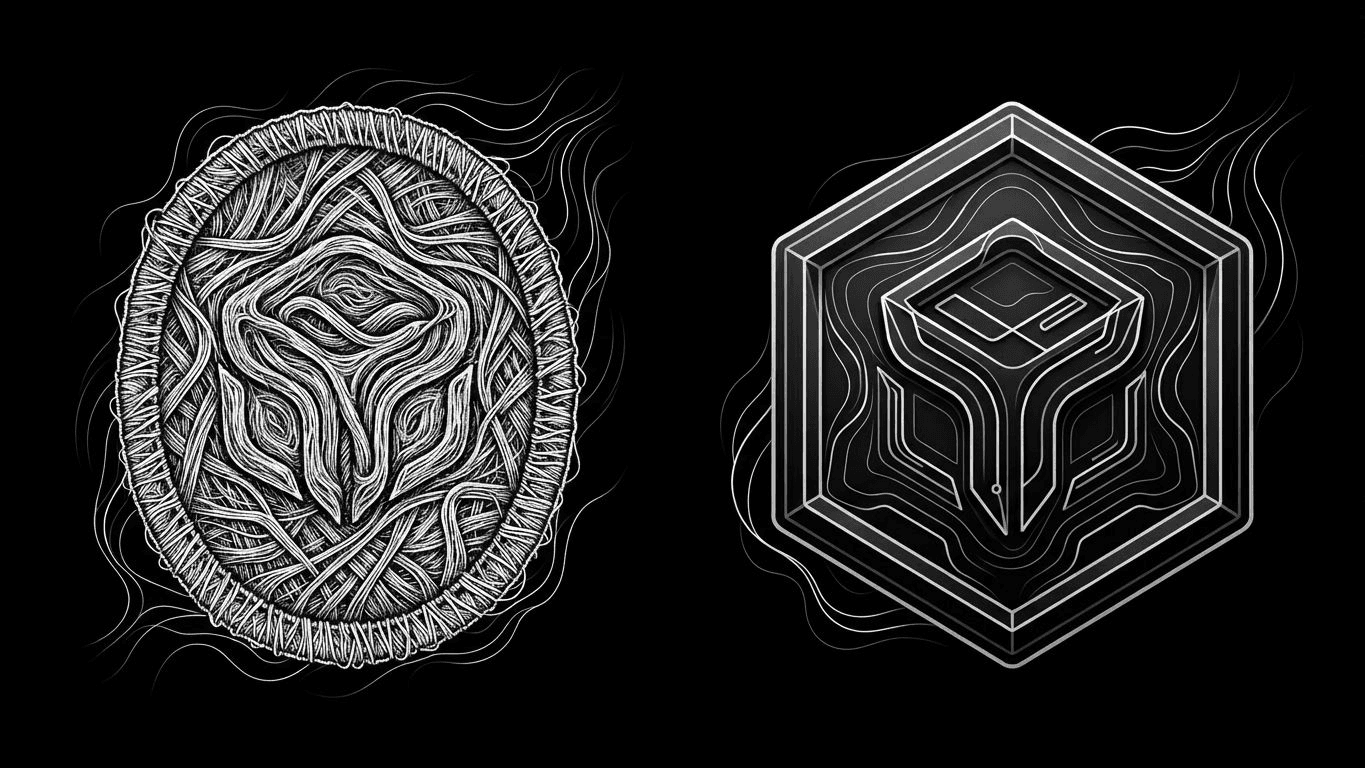
Should I choose PVC or embroidered patches for uniforms
Should I Choose PVC or Embroidered Patches for Uniforms?
Selecting the right patch type for a uniform programme is a practical decision with long-term consequences. The patch represents the organisation, withstands repeated use, and must remain legible and presentable throughout its working life. Both PVC rubber patches and embroidered patches are widely used across military, corporate, hospitality, sports, and public-sector uniforms. Each format has genuine strengths, and the better choice depends on specific factors: the environment where the uniform is worn, the complexity of the artwork, the required durability, and the overall presentation standard expected.
This article compares both formats across the criteria that matter most when specifying patches for uniforms.
What Are Embroidered Patches?
Embroidered patches are produced by stitching coloured thread onto a woven fabric base. The thread is built up in layers to create a raised, textured surface. The result is a patch with visible stitching, a textile feel, and a traditional appearance that has been associated with professional uniforms for decades.
According to owlbadges.com, embroidered patches are approximately 4 mm thick, which gives them a noticeable relief on the garment without being overly bulky. The same source notes that a patch-care guide estimates embroidered patches can maintain their appearance for 50 or more wash cycles with proper care, making them a reliable choice for garments that are laundered regularly.
Embroidered patches are well suited to designs that benefit from a classic, authoritative look: unit insignia, corporate logos, rank badges, and departmental identifiers. They attach to fabric naturally and can be finished with iron-on, sew-on, or velcro backing depending on the uniform specification.
What Are PVC Patches?
PVC patches are moulded from polyvinyl chloride rubber. The design is created by injecting coloured PVC into a custom mould, producing a patch that can be flat (2D) or raised in relief (3D). The surface is smooth, firm, and waterproof.
According to owlbadges.com, a PVC supplier describes its patches as 2 to 4 mm thick with a typical outdoor lifespan of five or more years. The same source notes a supplier claim that PVC patches can withstand 200 or more wash cycles at 40 degrees Celsius without visible colour change, though this figure reflects a supplier specification rather than an independently verified test result.
PVC patches are a strong choice for uniforms worn in outdoor or high-exposure environments: field operations, outdoor events, security roles, or any setting where moisture, mud, or UV exposure is a regular factor.
Key Differences for Uniform Applications
Durability and Environment
Pacificemblem.com notes that PVC wins on weatherproofing, three-dimensional impact, and outdoor toughness, while embroidered patches win on classic appeal, fine detail, and uniform polish. This is a useful framework for the decision.
For indoor professional environments, such as hospitality, corporate offices, or formal uniformed services, embroidered patches provide the finish that aligns with the setting. For outdoor, tactical, or field-based uniforms, PVC patches offer a material advantage that thread and fabric cannot match.
Design Complexity
Embroidered patches handle bold shapes, block colours, and moderate detail well. Very fine lines and small text can lose definition at the stitching stage, particularly at smaller sizes. Woven patches (a related format using a finer loom technique) address this limitation for designs requiring precise small text, such as name tapes or unit designations.
PVC patches, being moulded rather than stitched, reproduce sharp outlines and three-dimensional forms with consistency. Bold logos with clean edges translate particularly well. However, photographic detail, gradients, and subtle colour transitions are not suited to PVC moulding. For those requirements, a silk screen and embroidery combination patch is the more appropriate format.
Appearance and Presentation
According to easypatchonline.com, the first major difference concerns the material: embroidered patches are textile, breathable, and visually warmer, while PVC patches are synthetic and waterproof. This distinction matters for presentation. Embroidered patches sit naturally on fabric garments and carry a traditional authority that is expected in many formal uniform contexts. PVC patches have a more contemporary, technical appearance that suits modern workwear, outdoor gear, and tactical applications.
Neither look is inherently superior. The right choice depends on the image the organisation intends to project.
Backing and Attachment
Embroidered patches can be produced with iron-on, sew-on, or velcro backing. PVC patches are typically produced with velcro backing only, as the rubber material does not accept heat-activated adhesive in the same way fabric patches do. For uniform programmes requiring removable patches, velcro backing on either format is practical. For permanent attachment, sew-on embroidered patches offer the most secure long-term option.
Production Lead Times
Owlbadges.com gives standard production times of three to four weeks for embroidered patches and four to eight weeks for PVC patches from that supplier. At Patch&Bagel, embroidered patches are produced in approximately two weeks after proof approval, and PVC patches in approximately four weeks. The longer lead time for PVC reflects the mould-making stage, which must be completed before production can begin. Organisations planning uniform rollouts should factor this into their procurement timeline. For events or launches with fixed dates, confirming artwork six to eight weeks in advance is advisable regardless of patch type.
┌─────────────┬───────────────┬──────────────────┐
│ Feature     │ Embroidered   │ PVC              │
├─────────────┼───────────────┼──────────────────┤
│ Wash Life   │ 50+ Cycles    │ 200+ Cycles      │
│ Setting     │ Formal/Indoor │ Tactical/Outdoor │
│ Look        │ Traditional   │ Modern/3D        │
└─────────────┴───────────────┴──────────────────┘
Patch Performance Comparison Table
Which Format Is Right for Your Uniform?
The following criteria provide a practical basis for the decision:
Choose embroidered patches when:
- The uniform is worn in professional, indoor, or formal settings
- A traditional, authoritative appearance is required
- The design includes moderate detail, bold colours, or a logo with clear outlines
- The garment will be laundered regularly under standard conditions
- Sew-on or iron-on attachment is preferred
Choose PVC patches when:
- The uniform is worn outdoors or in environments involving moisture, heat, or UV exposure
- A modern, three-dimensional look is appropriate for the role
- The design has bold, clean shapes that benefit from moulded relief
- Velcro attachment is required for interchangeable or role-specific insignia
- Long outdoor lifespan is a priority
For organisations that need fine text, name tapes, or highly detailed insignia alongside a flat finish, woven patches are worth considering as a third option. They use the same textile backing as embroidered patches but produce sharper fine detail through a tighter loom weave.
┌─────────────────────┐      ┌─────────────┐
│ Indoor/Professional │─────▶│ Embroidered │
└─────────────────────┘      └─────────────┘
┌─────────────────────┐      ┌─────────────┐
│ Outdoor/Field       │─────▶│     PVC     │
└─────────────────────┘      └─────────────┘
┌─────────────────────┐      ┌─────────────┐
│ Fine/Small Text     │─────▶│    Woven    │
└─────────────────────┘      └─────────────┘
Patch Selection Decision Flow
Working with a Patch Supplier
Regardless of which format is selected, working with a supplier who provides a digital proof before production is essential for uniform programmes. Errors in colour, sizing, or layout are difficult and costly to correct once production begins. Patch&Bagel, for example, provides a free digital proof on every order, with unlimited revisions until the artwork is approved. Nothing enters production until the customer confirms the proof. This process protects the organisation's investment and ensures the finished patch matches the intended design.
Patch&Bagel produces both custom embroidered patches and custom PVC patches, with no setup or mould fees on any order. For organisations evaluating both formats before committing to a full production run, the minimum order quantities are 20 pieces for embroidered patches and 30 pieces for PVC patches, making it practical to assess both options at a manageable scale.
Frequently Asked Questions
Which patch type lasts longer on a uniform? Both formats are durable when correctly maintained. According to owlbadges.com, embroidered patches are estimated to maintain their appearance for 50 or more wash cycles with proper care. PVC patches are claimed by suppliers to withstand 200 or more wash cycles at 40 degrees Celsius, though this reflects supplier specifications rather than independently verified test results. For outdoor environments, PVC offers a material advantage in terms of weather resistance and UV stability.
Can PVC patches be sewn onto uniforms? PVC patches are typically produced with velcro backing and are not designed for direct sewing in the same way fabric patches are. If permanent attachment is required, embroidered patches with sew-on backing are the more appropriate choice.
Does Patch&Bagel charge a mould fee for PVC patches? No. Patch&Bagel does not charge setup, mould, or template fees on any order. The per-piece price quoted is the full price, including first orders with a new design.
What is the minimum order quantity for uniform patches? At Patch&Bagel, the minimum order quantity is 20 pieces for embroidered patches and 30 pieces for PVC patches. This allows organisations to order in quantities that match their actual requirements without committing to unnecessarily large production runs.
How long does production take? At Patch&Bagel, embroidered patches are produced in approximately two weeks after proof approval. PVC patches take approximately four weeks, as a mould must be produced first. For uniform programmes tied to specific dates, submitting artwork well in advance of the required delivery date is recommended.
Which format is better for name tapes or small text? For small text and fine detail, woven patches are generally more reliable than embroidered patches, as the tighter loom weave preserves legibility at smaller sizes. PVC is not well suited to fine text reproduction.
Closing Recommendations
For most professional uniform programmes, embroidered patches remain the standard choice. They carry a recognised authority, attach naturally to fabric garments, and perform reliably across regular laundering cycles. For outdoor, tactical, or field-based applications where weather resistance and long outdoor lifespan are priorities, PVC patches provide a durable and visually impactful alternative.
The decision does not need to be exclusive. Some organisations use embroidered patches for their primary insignia and PVC patches for role-specific or interchangeable identifiers on the same uniform.
If you are specifying patches for a uniform programme, Custom Embroidered Patches from Patch&Bagel offer a classic, durable finish from a minimum of 20 pieces, with a free digital proof included. For outdoor or field-based applications, Custom PVC Patches are fully waterproof and UV-resistant, moulded in 2D or 3D from your design, from a minimum of 30 pieces. For uniforms requiring precise small text or name tapes, Custom Woven Patches provide the fine detail that thread embroidery cannot always achieve at smaller sizes.
Explore more from Patch&Bagel at Patch&Bagel
════════════════════════════════════════════════════════
             P A T C H   &   B A G E L
          --- Custom Uniform Solutions ---
════════════════════════════════════════════════════════
Patch & Bagel Brand Seal