Should I choose PVC or embroidered patches for uniforms
Should I Choose PVC or Embroidered Patches for Uniforms?
Choosing between PVC and embroidered patches for uniforms is one of the most practical decisions a procurement manager, team coordinator, or organisation leader will face when outfitting a group. Both formats are widely used across military units, corporate teams, sports clubs, schools, and uniformed services. Both produce professional results. The difference lies in how each material performs under specific conditions, what it communicates visually, and how it fits within a broader uniform programme.
This article examines the key factors that should inform the decision: durability, design capability, application method, environment, and budget.
Understanding the Two Formats
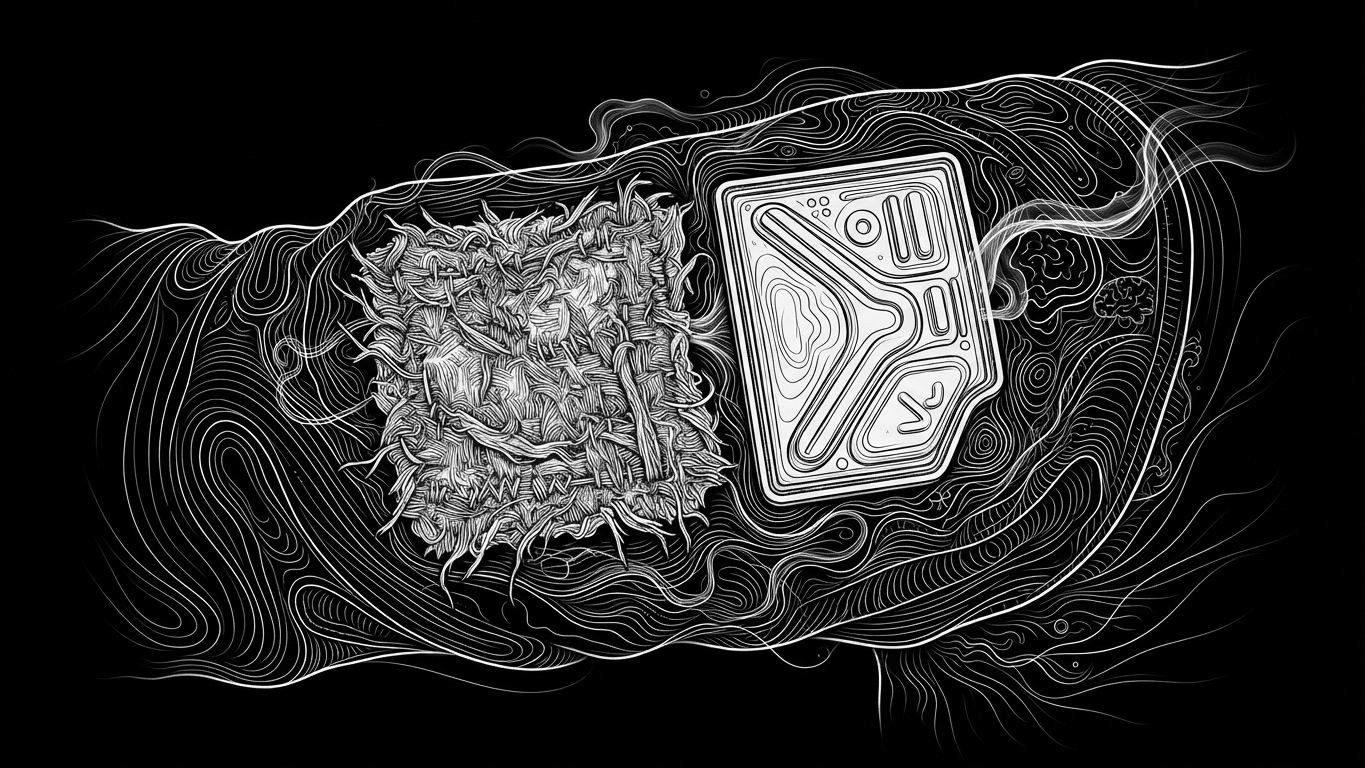
Embroidered patches are produced by stitching thread onto a woven base fabric. The result is a textured, tactile patch with a classic appearance that has been used on uniforms for decades. Thread colours are matched to a design, and the stitching density determines how much of the base fabric is covered.
PVC patches are moulded from soft rubber or polyvinyl chloride. The design is formed in relief, either flat (2D) or raised (3D), and the material is inherently waterproof and resistant to abrasion. PVC patches attach to uniforms almost exclusively via hook-and-loop (velcro) backing, which allows them to be repositioned or swapped between garments.
┌───────────────────────┐       ┌───────────────────────┐
│      EMBROIDERY       │       │          PVC          │
├───────────────────────┤ <───> ├───────────────────────┤
│   Thread + Fabric     │       │ Soft Polyvinyl Chloride│
└───────────────────────┘       └───────────────────────┘
Comparison of primary patch manufacturing materials.
Durability and Environmental Performance
For uniforms that operate in demanding conditions, durability is the primary concern. According to Chief Labels, a recognised benchmark in the military-patch industry is 50 institutional laundry cycles, with 5 AATCC 61 Method 2A cycles simulating approximately 50 home washes at 71°C. This standard is applied to evaluate how patches hold up under repeated, high-temperature laundering.
Embroidered patches perform well under standard laundry conditions, particularly when sewn directly onto a garment. Thread is colourfast and resilient, though prolonged exposure to moisture, abrasion, or harsh detergents over many cycles can cause fraying at the edges or slight fading in lighter thread colours.
PVC patches are inherently waterproof and UV-resistant. The moulded material does not absorb water, which makes PVC the stronger choice for uniforms exposed to rain, marine environments, outdoor fieldwork, or industrial settings where the garment is cleaned frequently and at high temperatures. The velcro backing means the patch itself is removed before washing in many cases, which further extends its lifespan.
For organisations whose uniforms face consistent exposure to the elements, PVC holds a clear advantage in long-term durability.
MATERIAL     | CONDITION: WET   | PERFORMANCE
─────────────┼──────────────────┼───────────────
EMBROIDERY   │ Water-Absorbent  │ [####      ]
PVC          │ 100% Waterproof  │ [##########]
Material durability and water resistance performance.
Design Capability and Visual Identity
The two formats produce very different visual results, and the nature of a uniform's insignia will often determine which format is appropriate.
Embroidered patches carry a traditional, authoritative appearance. They are well-suited to logos, crests, and insignia that rely on bold shapes, strong colour contrasts, and a recognisable institutional aesthetic. The texture of thread stitching adds a tactile quality that communicates craftsmanship and formality. For organisations where tradition and presentation matter, such as schools, government bodies, hospitality groups, and formal corporate environments, embroidered patches align with those expectations.
PVC patches, by contrast, offer sharp definition in bold, graphic designs. The moulded surface holds crisp edges and can render raised elements with a three-dimensional quality that embroidery cannot replicate. According to Truedigitizing.com, PVC patches are increasingly prominent in fashion and workwear trends due to their bold look, cost efficiency, and long-lasting design. This reflects a broader shift in how uniform patches are perceived: PVC is no longer confined to tactical or outdoor applications and is now used across corporate workwear, sports teams, and event uniforms.
One practical consideration is fine detail. Very small text, intricate linework, and photographic gradients are difficult to render accurately in embroidery at standard patch sizes. PVC handles bold shapes and defined outlines well, but it is not suited to photographic or gradient-heavy designs either. For designs that require fine text or small detail, a custom woven patch format may be worth considering alongside the two primary options, as the fine loom weave keeps small text and sharp detail crisp.
Application and Practicality
Embroidered patches can be applied with iron-on adhesive, sewn directly onto the garment, or attached via velcro. Sewn patches create a permanent, secure bond and are the standard for formal or high-use uniforms. Iron-on backing offers convenience for lower-frequency applications.
PVC patches use velcro backing as standard. This makes them highly practical for organisations that rotate patches across multiple garments, issue patches to personnel who may transfer between roles, or need to update insignia without replacing garments. The ability to swap patches quickly is a genuine operational advantage for military units, security teams, and event staff.
Budget and Minimum Order Quantities
Both formats are available at competitive price points, and the right choice will depend on the volume being ordered and the total programme budget.
At Patch&Bagel, custom embroidered patches start from a minimum of 20 pieces, with pricing beginning at SGD $8 per piece at that quantity and scaling down significantly at higher volumes. Custom PVC patches begin at a minimum of 30 pieces, priced at SGD $10 per piece at entry level, with no setup or mould fees on any order. Both include a free digital proof, unlimited revisions before production, and free worldwide shipping.
For large uniform programmes, the per-piece cost at volume is competitive across both formats. The PVC moulding process does require a longer production lead time of approximately four weeks, compared to two weeks for embroidered patches, which is a relevant consideration for time-sensitive deployments.
┌────────────┬────────────┬─────────────┐
│ TYPE       │ MOQ        │ UNIT PRICE  │
├────────────┼────────────┼─────────────┤
│ Embroidery │ 20 pcs     │ $8.00 / ea  │
│ PVC        │ 30 pcs     │ $10.00 / ea │
└────────────┴────────────┴─────────────┘
Comparison of Minimum Order Quantities and base pricing.
Which Format Is Right for Your Uniform?
The decision comes down to three questions. First, what environment will the uniform operate in? If the answer involves regular exposure to water, outdoor conditions, or heavy industrial use, PVC is the more resilient choice. Second, what does the design require? Bold, graphic insignia work well in both formats; traditional crests and formal logos tend to suit embroidery. Third, does the organisation need flexibility in how patches are applied and transferred? If yes, PVC's velcro backing provides that capability.
According to qualitywovenlabels.com, the global custom label and patch market continues to grow, with material diversity and application flexibility driving demand across sectors. Organisations that understand the functional differences between formats are better positioned to make decisions that serve both their operational needs and their visual identity.
For uniforms where tradition, formality, and a classic textile finish are priorities, embroidered patches remain the standard. For uniforms that demand durability in challenging conditions, visual boldness, and the practical advantage of interchangeable insignia, PVC patches offer a compelling alternative.
Frequently Asked Questions
Can embroidered patches be used on outdoor or waterproof uniforms? Embroidered patches can be applied to outdoor garments, but the thread is not waterproof. For uniforms that will be regularly exposed to rain or moisture, PVC patches provide better long-term performance.
Do PVC patches feel comfortable on a uniform? PVC patches are moulded rubber and have a firm, slightly raised surface. They are typically worn on the outer layer of a garment rather than against the skin, so comfort is not generally a concern in uniform applications.
Which format is better for small logos or text? Embroidery has practical limits with very fine detail at small sizes. For small text or intricate linework, a woven patch format is often more accurate than either embroidered or PVC.
Does Patch&Bagel charge setup or mould fees for PVC patches? No. Patch&Bagel does not charge setup, mould, or template fees on any order, including PVC patches. The per-piece price is the full price.
How long does production take for each format? Embroidered patches take approximately two weeks after proof approval. PVC patches take approximately four weeks, as a mould must be produced first.
Can the same design be ordered in both formats? Yes. Organisations that wish to compare results or use different formats for different applications can order both. Patch&Bagel retains design files, so reorders and format variations do not require repeating the setup process.
If you are ready to outfit a team or uniformed group, Custom Embroidered Patches from Patch&Bagel are a strong starting point for traditional insignia, while Custom PVC Patches are well-suited to tactical, outdoor, and high-durability applications. Both ship worldwide with no setup fees and include a free digital proof before production begins.
Explore more from Patch&Bagel at Patch&Bagel