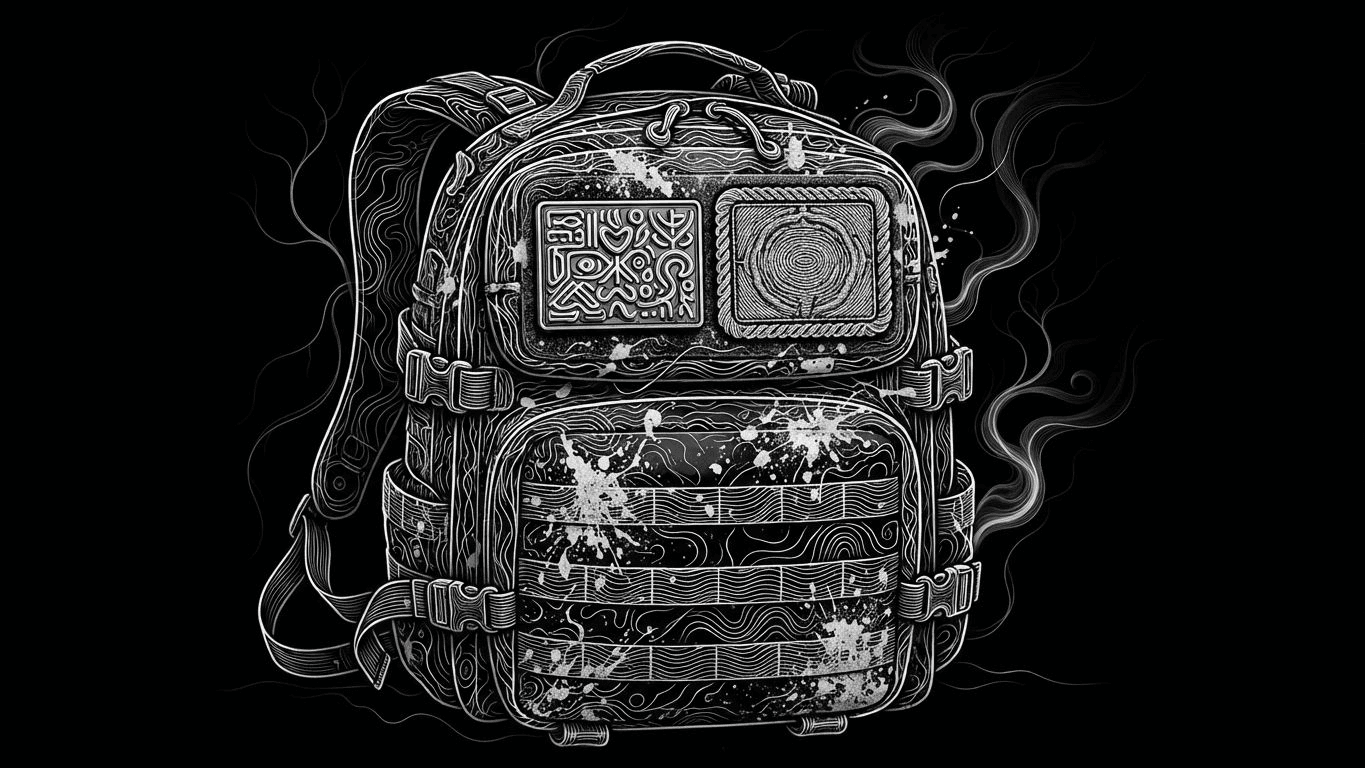
PVC patches vs embroidered patches for tactical use
PVC Patches vs Embroidered Patches for Tactical Use
When selecting patches for tactical applications, the choice between PVC and embroidered formats carries real operational consequences. Uniforms, plate carriers, bags, and headwear all demand patches that perform under pressure: exposure to water, abrasion, UV radiation, and repeated laundering. Understanding the differences between PVC patches vs embroidered patches for tactical use helps procurement officers, unit commanders, and individual operators make informed decisions rather than aesthetic ones.
What Defines a Tactical Patch?
A tactical patch serves a functional purpose beyond decoration. It identifies unit affiliation, rank, role, or national flag on operational kit. In many cases, it carries Velcro backing for rapid attachment and removal. The environment it operates in ranges from humid jungle terrain to arid desert conditions, and the gear it attaches to is often subjected to rigorous cleaning protocols. These demands set a high baseline for durability, colorfastness, and dimensional stability.
How PVC Patches Perform in Tactical Conditions
PVC (polyvinyl chloride) patches are moulded rubber products. The design is formed through a casting process that produces a raised, three-dimensional surface with clean edges and solid color fills. The material itself is inherently waterproof, flexible, and resistant to UV degradation.
According to chieflabels.com, a properly formulated PVC military patch can survive 50 or more industrial wash cycles without edge curl, color shift, or dimensional change. This is a meaningful figure for units that launder uniforms on commercial cycles regularly.
Pacific Emblem notes that PVC wins for pure outdoor performance: rain, mud, and UV exposure have no meaningful effect on the material. This makes PVC the preferred format for patches worn on external load-bearing equipment, waterproof shells, and field gear that is rarely removed from operational rotation.
The three-dimensional moulding process also allows for finer graphic detail than embroidery can consistently deliver. Thin text, intricate insignia, and gradient-free color blocks all translate cleanly into PVC. The tradeoff is that PVC patches tend to carry a higher unit cost. According to betteremblem.com, specialty patches such as PVC or leather typically cost 20 to 50 percent more than standard embroidered patches, reflecting the unique materials and moulding processes involved.
How Embroidered Patches Perform in Tactical Conditions
Embroidered patches are produced on computerized looms using polyester or rayon thread stitched onto a twill or felt base. They carry a textile character that integrates naturally with fabric uniforms and dress items. Many military traditions favor embroidery for ceremonial and dress uniform applications precisely because of this visual warmth.
Durability for embroidered patches is closely tied to production quality. According to chieflabels.com, crest-sized embroidered patches require at least 8,000 stitches per 10 cm² to achieve military-grade durability, and a merrowed border at 10 stitches per inch is specified for stronger edge integrity. When these standards are met, the results are meaningful: merrowed-border embroidered patches at that density were reported to survive 40 or more commercial wash cycles without fraying.
However, quality variance matters significantly. The same source reports that at an economy embroidery density of 5,500 stitches per 10 cm², a 20 to 25 percent reject rate was expected by wash cycle 20 to 25. For tactical procurement, specifying thread density and border construction is therefore essential, not optional.
Patchesjunction.com reports that embroidered patches last 5 to 10 years with daily commercial washing, while PVC outlasts everything else in harsh outdoor conditions. This positions embroidery as a durable, serviceable option for standard uniform wear, while PVC holds the advantage in genuinely hostile environments.
Direct Comparison: Key Tactical Criteria
The following table summarizes how each format performs across the criteria most relevant to tactical use.
| Criterion | PVC Patches | Embroidered Patches |
|---|---|---|
| Water resistance | Fully waterproof | Water-resistant (fabric base absorbs moisture) |
| UV resistance | High | Moderate (thread can fade over time) |
| Wash cycles | 50+ industrial cycles | 40+ commercial cycles (at high stitch density) |
| Detail resolution | Very high (moulded edges) | High (limited by thread diameter) |
| Profile | Raised, 3D | Flat to slightly raised |
| Weight | Slightly heavier | Lighter |
| Flexibility | Flexible rubber | Rigid fabric base |
| Cost per unit | Higher (20–50% premium) | Lower baseline cost |
| Aesthetic | Modern, bold | Traditional, textile |
| IR reflectivity | Depends on colorant | Depends on thread type |
┌────────────────┬──────────┬────────────┐
│ METRIC         │ PVC      │ EMBROIDERY │
├────────────────┼──────────┼────────────┤
│ WATERPROOF     │ YES      │ NO         │
│ UV-RESIST      │ HIGH     │ MED        │
│ WASH-LIFE      │ 50+      │ 40+        │
│ TEXTURE        │ 3D       │ FLAT       │
└────────────────┴──────────┴────────────┘
Tactical Patch Performance: PVC vs. Traditional Embroidery
Infrared and Low-Visibility Considerations
One factor that receives less attention in general comparisons is infrared (IR) reflectivity. Operational patches worn by military personnel in environments where night-vision equipment is in use must not create IR signatures that compromise concealment. Both PVC and embroidered patches can be produced with IR-compliant materials, but this must be specified explicitly at the time of order. Standard commercial colorants in both formats may reflect IR light in ways that are operationally problematic. Units with this requirement should confirm IR compliance with their supplier before committing to production.
Morale Patches: Where the Formats Diverge Most
Within the tactical community, morale patches occupy a distinct category. These are unofficial, often unit-specific patches worn on Velcro fields on bags, helmets, or plate carriers. According to challengecoinnation.com, embroidered patches are traditional, versatile, and durable, while PVC patches are modern, detailed, and resistant to harsh conditions. For morale patches specifically, PVC has become the dominant format because it handles small-run production well and delivers the bold, graphic-heavy designs that the category favors.
Which Format Is Right for Your Application?
The answer depends on the operational context.
PVC is the stronger choice when the patch will be worn on external gear, exposed to water or mud regularly, or required to hold fine graphic detail over an extended service life. It is also the better option for morale patches and any application where dimensional form adds visual impact.
Embroidered patches remain the appropriate choice for dress uniforms, ceremonial applications, and any context where a textile aesthetic is required by regulation or tradition. At sufficient stitch density, they perform reliably across the washing cycles typical of standard uniform rotation.
For units that require both formats across different items of kit, there is no reason to standardize on one. Many organizations run PVC patches on field gear and embroidered patches on dress items simultaneously.
Patch&Bagel's Tactical Patch Options
Patch&Bagel has produced custom patches for military and uniformed units since 2017, serving clients including national military organizations and commercial companies operating in demanding environments. The production range covers both formats with clear specifications and low minimums suited to unit-level orders.
Custom PVC Patches from Patch&Bagel start at SGD $10 per patch for 30 pieces (SGD $300 total), with prices falling to SGD $7 at 100 pieces and SGD $4 at 500. Each patch is fully waterproof, UV-resistant, and moulded in 2D or 3D from the supplied design. Custom Embroidered Patches start at SGD $8 per patch for 20 pieces, with a free digital proof and free design assistance included on every order. Both formats are available with Velcro backing for tactical attachment.
Explore more from Patch&Bagel at Patch&Bagel.
Frequently Asked Questions
Are PVC patches better than embroidered patches for tactical use?
PVC patches offer superior performance in wet, muddy, and UV-exposed environments. They are the preferred choice for field gear and external load-bearing equipment. Embroidered patches remain appropriate for dress uniforms and applications where a textile appearance is required.
How many wash cycles can tactical patches survive?
At military-grade production standards, PVC patches can survive 50 or more industrial wash cycles. High-density embroidered patches with merrowed borders survive 40 or more commercial wash cycles. Economy-density embroidered patches may show degradation from cycle 20 onward.
Can Patch&Bagel produce IR-compliant tactical patches?
Patch&Bagel recommends discussing IR compliance requirements directly with the team before placing an order, as this requires specific colorant and material specifications that must be confirmed at the design stage.
What backing is recommended for tactical patches?
Velcro (hook-and-loop) backing is the standard for tactical patches, as it allows rapid attachment and removal across different items of kit. Both PVC and embroidered formats are available with Velcro backing from Patch&Bagel.
What is the minimum order quantity for tactical patches at Patch&Bagel?
Custom PVC patches have a minimum order of 30 pieces per design. Custom embroidered patches have a minimum order of 20 pieces per design. Both options include a free digital proof before production begins.
━━━━━━━━━━━━━━━━━━━━━━━━━━━━━━━━━━━━━━━━━━━━━━━━━━━━━━━━━━━━━━
| [ PATCH & BAGEL ] -- [ TACTICAL DIVISION ] -- [ EST 2017 ] |
━━━━━━━━━━━━━━━━━━━━━━━━━━━━━━━━━━━━━━━━━━━━━━━━━━━━━━━━━━━━━━
Patch & Bagel Tactical Division Branding