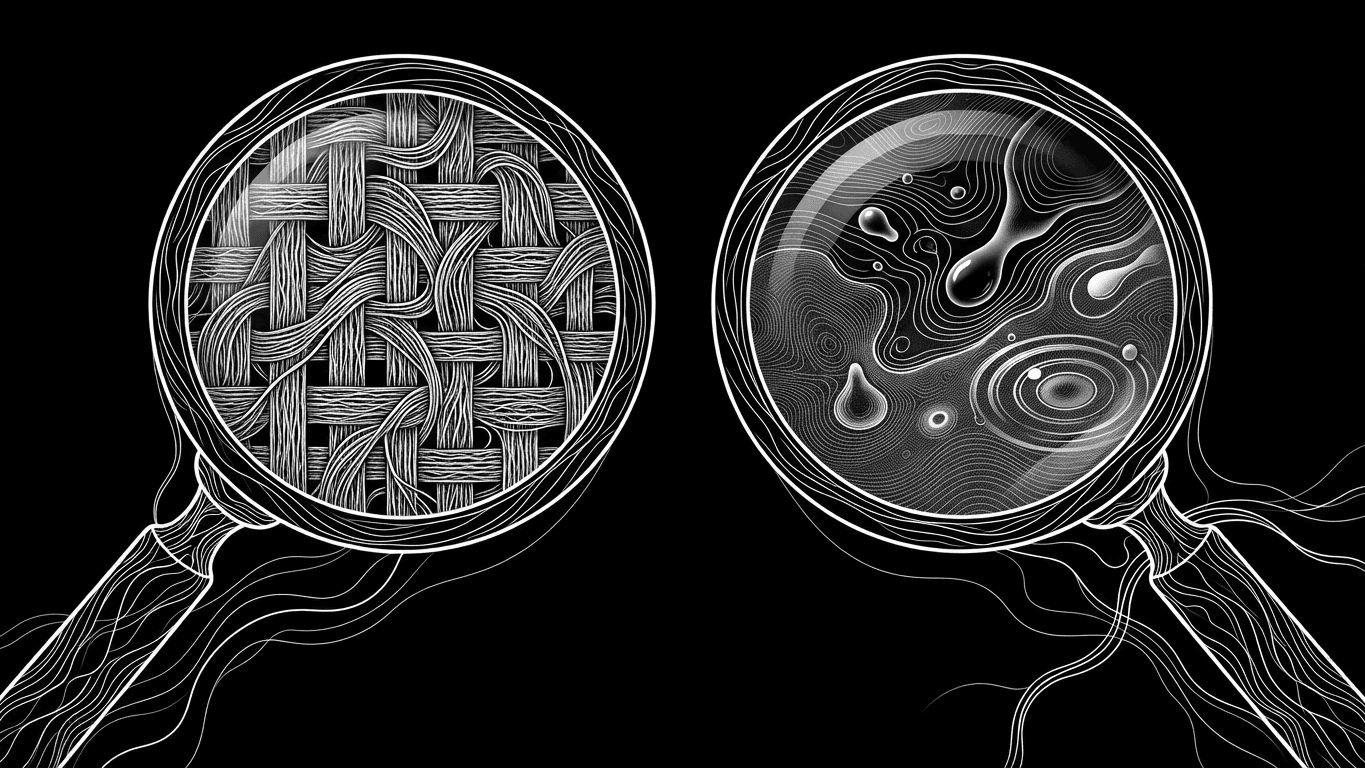
Woven patches vs printed patches for detailed brand artwork
Woven Patches vs Printed Patches for Detailed Brand Artwork
When a brand invests in custom patches, the choice of production method determines how faithfully the artwork translates to the finished piece. The decision between woven patches vs printed patches for detailed brand artwork is not simply a matter of preference. It comes down to the nature of the design itself, the level of detail required, and the context in which the patch will be used. Understanding the technical differences between these two methods allows brands to make an informed choice before committing to production.
How Each Method Works
Woven patches are produced on a loom using fine polyester or cotton threads. The design is created by interlacing threads at high density, which produces a flat, smooth surface with a textile finish. According to pandapatches.com, woven thread counts can reach 100 to 200 or more per inch, with high-definition woven patches achieving 150 to 200 threads per inch compared to 75 to 100 for standard weaving. This density is what allows woven patches to hold fine text and intricate line-art with clarity.
Printed patches, by contrast, use a process closer to screen printing or digital printing directly onto a fabric substrate. The artwork is applied as ink rather than constructed from thread, which means the reproduction method is not constrained by the physical limits of a loom. According to pandapatches.com, printed artwork requires a resolution of 300 dpi at the final patch size to achieve clean output.
Detail Capability: A Technical Comparison
For brands working with complex artwork, the detail ceiling of each method matters considerably.
According to pandapatches.com, woven patches support a minimum line thickness of 0.5 mm and can reproduce text down to 3 mm in height. Printed patches hold finer tolerances, with a minimum line thickness of 0.3 mm and text reproduction down to 2 mm. These figures reflect real constraints in production, not just theoretical limits. It is worth noting that these specifications represent supplier-reported figures. As pandapatches.com confirms, minimums and colour limits are supplier specifications, not universal industry standards, so results may vary depending on the manufacturer.
Colour range is another area of meaningful difference. Woven patches are generally suited to designs using up to eight distinct colours. Printed patches support an unlimited colour range, which makes them the appropriate choice for photographic imagery, gradients, skin tones, and artwork with continuous colour transitions. According to thecustomizedpatches.com, printed patches generally preserve the most photographic detail and gradients, while woven patches suit fine line-art logos and smaller lettering.
┌─────────────────┬───────────────┬─────────────────┐
│ FEATURE         │ WOVEN PATCHES │ PRINTED PATCHES │
├─────────────────┼───────────────┼─────────────────┤
│ Min Line Thick  │ 0.5 mm        │ 0.3 mm          │
│ Min Text Height │ 3.0 mm        │ 2.0 mm          │
│ Color Count     │ Max 8         │ Unlimited       │
│ Resolution      │ 150-200 TPI   │ 300 DPI         │
└─────────────────┴───────────────┴─────────────────┘
Technical comparison of woven versus printed patch manufacturing capabilities.
When to Choose Woven Patches
Woven patches are the standard choice for brand artwork that relies on clean lines, legible small text, and a flat, refined finish. They are particularly well suited to:
- Name tapes and name tags where individual characters must remain readable at small sizes
- Unit insignia and badges with fine geometric detail
- Brand logos built from line-art or vector shapes
- Designs where a textile appearance is part of the intended aesthetic
The flat surface of a woven patch gives it a more understated, professional look compared to the raised texture of embroidered patches. For corporate merchandise, uniform programmes, and branded apparel where consistency and legibility are priorities, woven patches perform reliably.
The market context supports this direction. According to LinkedIn, the embroidered badges and patches market is anticipated to grow at a 14% CAGR from 2026 to 2033, reflecting sustained demand for patch-based branding across industries. Woven patches occupy a significant portion of that demand, particularly in sectors that require detailed identification and branding at small scales.
When to Choose Printed Patches
Printed patches are the appropriate format when the artwork cannot be faithfully reproduced through thread alone. Key use cases include:
- Photographic imagery, including portraits or product photography
- Artwork with gradients, shadows, or blended colour fields
- Designs requiring more than eight colours
- Illustrations with very fine detail that exceeds the thread-count limitations of weaving
For brand artwork that incorporates photography or complex illustration, a printed patch preserves the integrity of the original design in a way that thread construction cannot. The trade-off is that printed patches typically have a less textile feel than woven patches, and the durability of the printed surface depends on the quality of the ink and substrate used.
A Third Option Worth Considering
For brands whose artwork sits between these two categories, combining methods is a practical solution. Silk screen combined with embroidery uses a printed centre to capture photographic detail and gradients, finished with an embroidered border that adds structure and a traditional patch aesthetic. This hybrid approach accommodates designs that include both fine-detail areas and solid colour zones, without forcing a compromise in either direction.
Choosing the Right Format for Your Brand
The decision between woven and printed patches should begin with the artwork itself. If the design is built from clean vector shapes, uses a limited colour palette, and includes small text, woven patches will deliver a sharp and durable result. If the design includes gradients, photography, or more than eight colours, printed patches are the technically correct choice.
The broader patch and labelling market reflects growing investment in branded textile products. According to dataintelo.com, the clothing labels market was valued at $4.94 billion in 2025 and is projected to reach $8.23 billion by 2034, growing at a 5.8% CAGR. This growth is driven in part by e-commerce and increasing brand investment in physical identity markers, including patches.
At Patch&Bagel, both woven and printed options are available with a free digital proof included on every order, unlimited revisions before production begins, and no setup fees. The team reviews each design and advises on the format that will best serve the artwork, which removes the guesswork for buyers who are uncertain about which method suits their specific design.
      ┌────────────────┐
      │ Design Artwork │
      └───────┬────────┘
              ▼
    ┌──────────────────┐      Yes     ┌───────────────┐
    │ Gradients/Photos?├─────────────▶│ Printed Patch │
    └─────────┬────────┘              └───────────────┘
              │ No
              ▼
    ┌──────────────────┐      Yes     ┌───────────────┐
    │   > 8 Colors?    ├─────────────▶│ Printed Patch │
    └─────────┬────────┘              └───────────────┘
              │ No
              ▼
      ┌───────────────┐
      │  Woven Patch  │
      └───────────────┘
Decision matrix for selecting the appropriate patch production method.
Frequently Asked Questions
What is the main difference between woven and printed patches for brand artwork? Woven patches are constructed from interlaced threads and are best suited to line-art logos, small text, and designs with up to eight colours. Printed patches use an ink-based process and can reproduce photographs, gradients, and unlimited colour ranges. The right choice depends on the complexity and colour depth of the artwork.
Can woven patches hold very small text? Yes. Woven patches can reproduce text down to approximately 3 mm in height, which makes them a reliable choice for name tapes, unit insignia, and branded patches where legibility at small sizes is important.
Are printed patches less durable than woven patches? Durability depends on the quality of materials and production rather than the method alone. Woven patches have a textile construction that is inherently durable. Printed patches can perform well when produced on quality substrates with appropriate inks, though the printed surface may be more susceptible to wear over extended use compared to thread-based construction.
Which method is better for a logo with gradients? Printed patches are the correct choice for logos that include gradients, colour blending, or photographic elements. Woven patches are limited to flat colours and defined shapes. If the logo includes both gradient areas and fine line-art, a silk screen combined with embroidery patch may be the most appropriate format.
Does Patch&Bagel offer both woven and printed patch options? Yes. Patch&Bagel produces custom woven patches and custom silk screen patches, both from a minimum of 20 pieces per design. Every order includes a free digital proof and free worldwide shipping. The team will review your artwork and recommend the format that best suits your design before production begins.
Do I need to know which format to choose before placing an order? Not necessarily. Sending your artwork to Patch&Bagel allows the team to assess the design and advise on the most suitable format. Factors such as text size, colour count, and the presence of gradients will guide that recommendation, so buyers do not need to make the decision without guidance.
If your brand artwork requires fine detail and small text, Custom Woven Patches from Patch&Bagel are produced with a fine loom weave that keeps lettering and line-art crisp from a minimum of 20 pieces. For designs that include photography, gradients, or complex colour fields, Custom Silk Screen Patches combine a printed centre with an embroidered border to capture detail that thread construction alone cannot reproduce.
Explore more from Patch&Bagel at Patch&Bagel